
By Jan Blythe, MW75
Personally I’m still catching up on sleep, but I wanted to get some thoughts down while Singapore is still fresh — because it really was something special. This was the first time the IVF Va’a World Sprint Championships have ever been held in Asia, and Marina Bay turned out to be an incredible place to race.
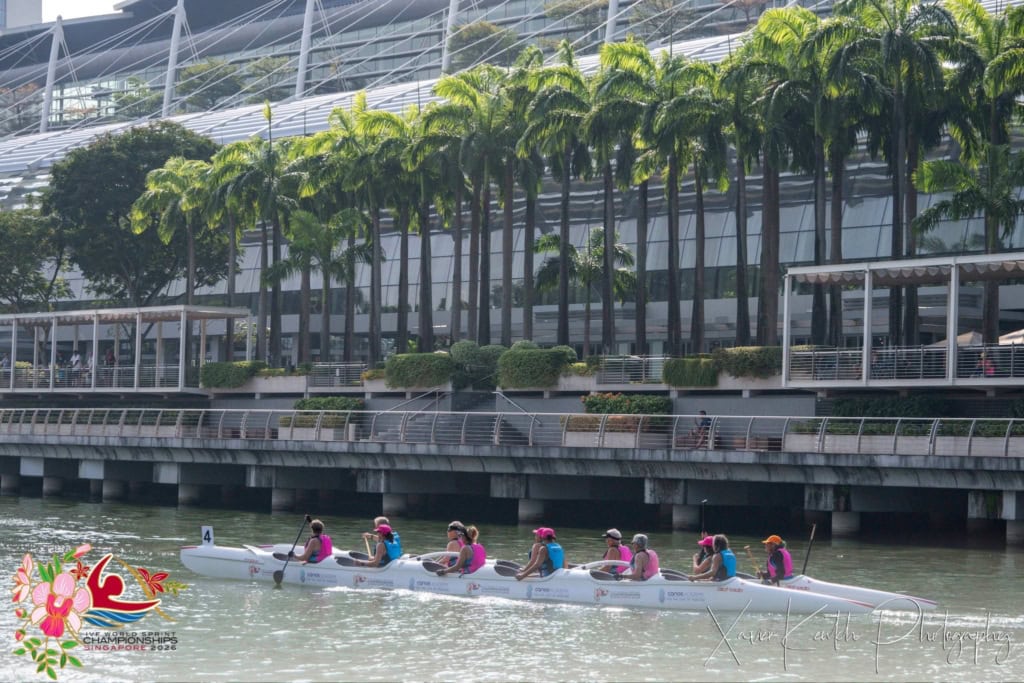
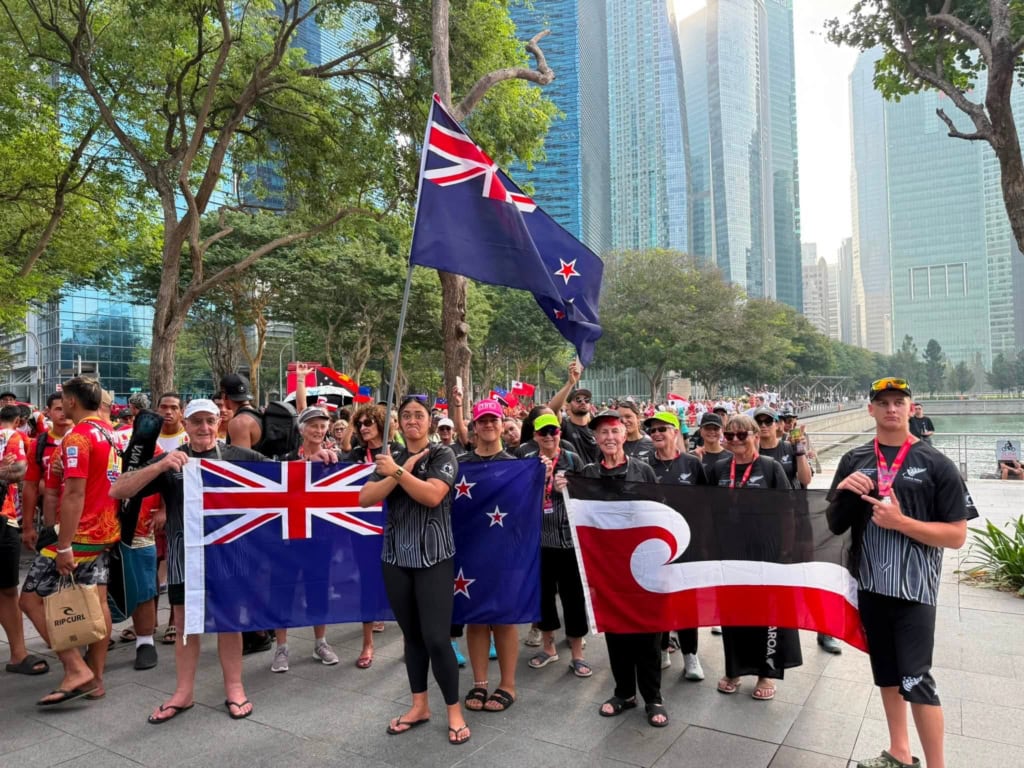
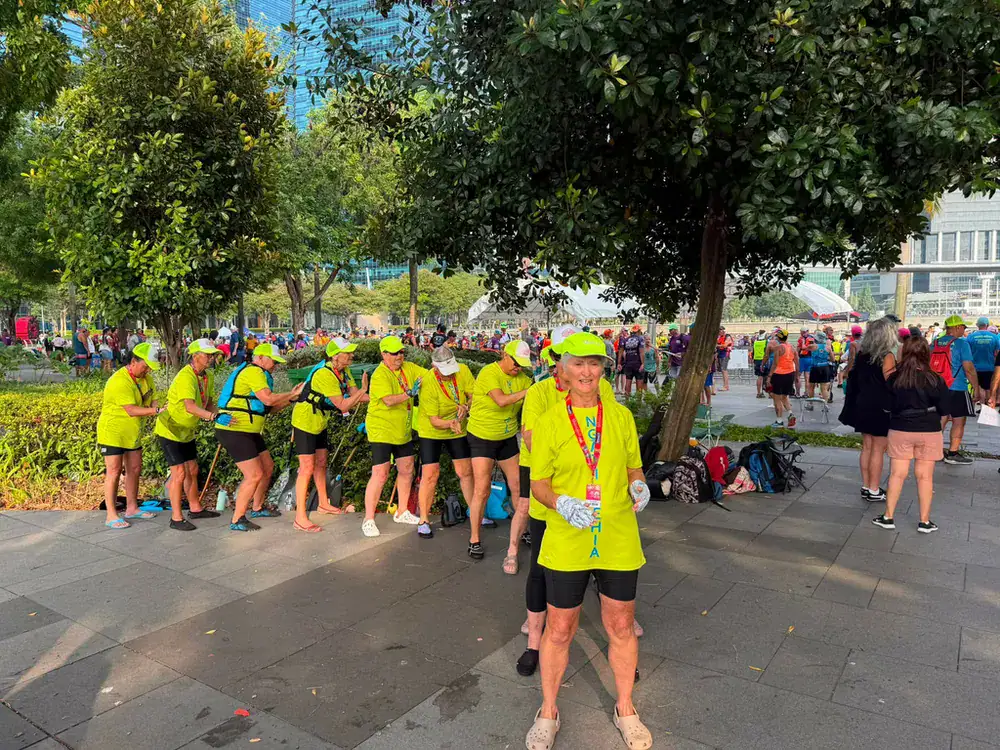
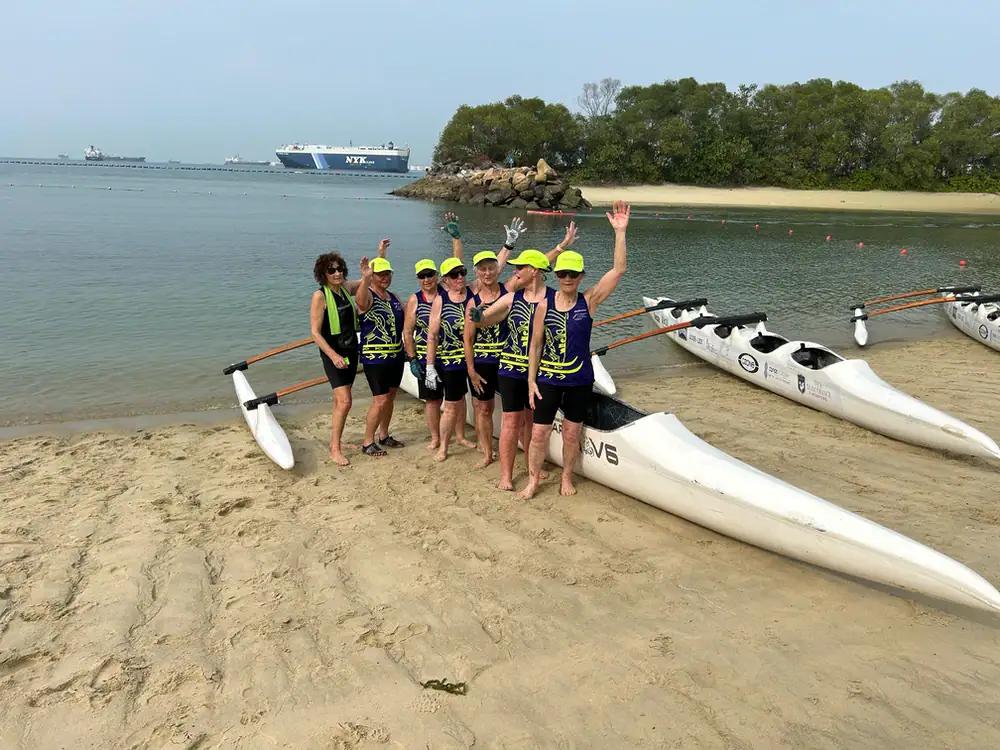
Nine of us made the trip from Te Tauihu — eight from here in Whakatū Nelson and one from Waikawa — after a full year of intense training. Early mornings, cold water, borrowed waka, the lot. Standing on the start line in Marina Bay, with that skyline behind us, it felt like every one of those sessions had been worth it.
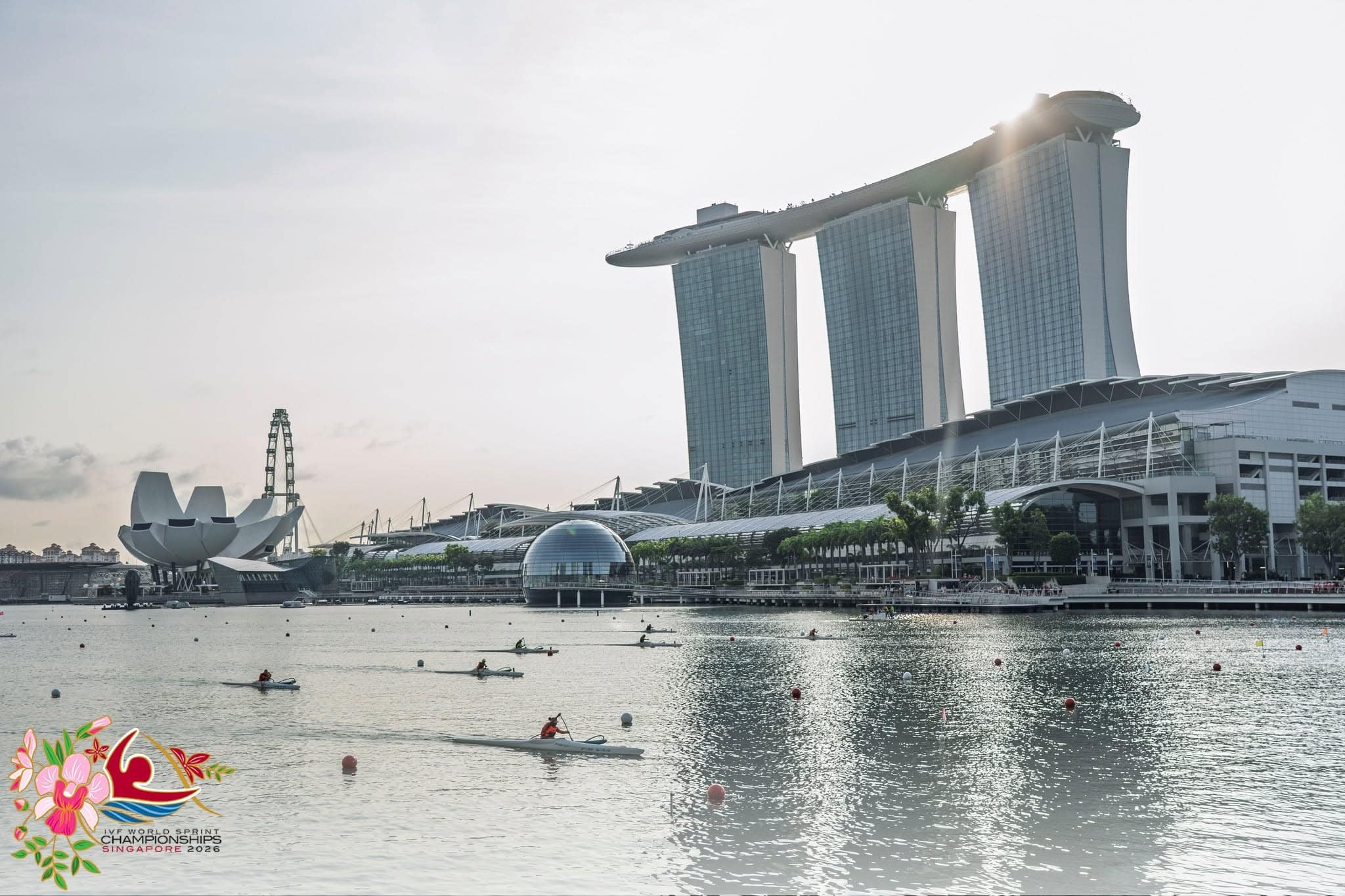
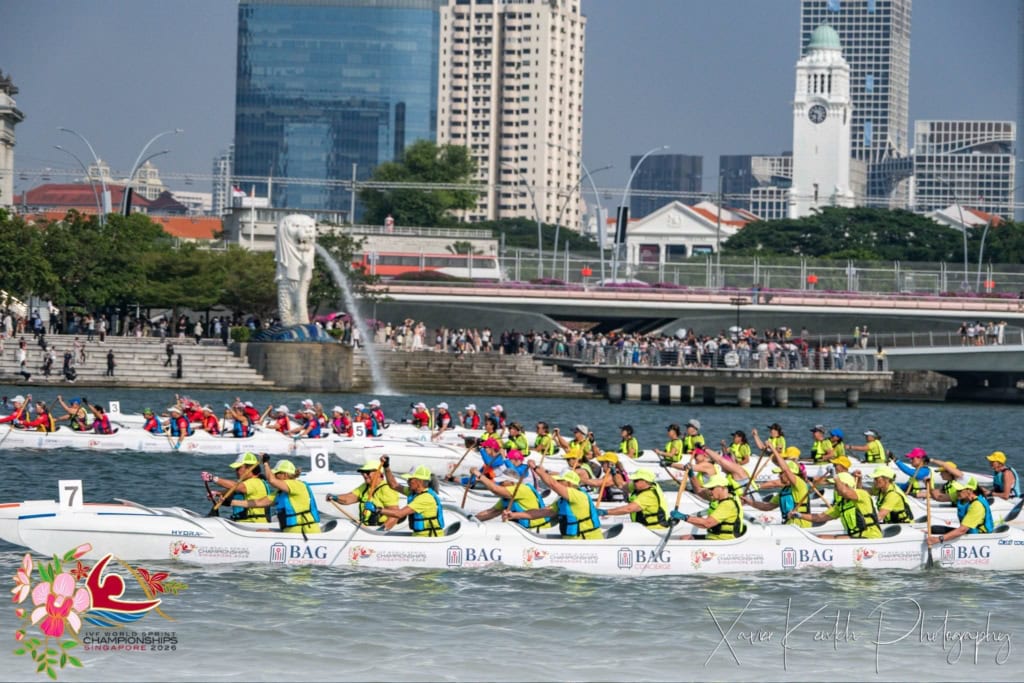
Racing in the shadow of skyscrapers
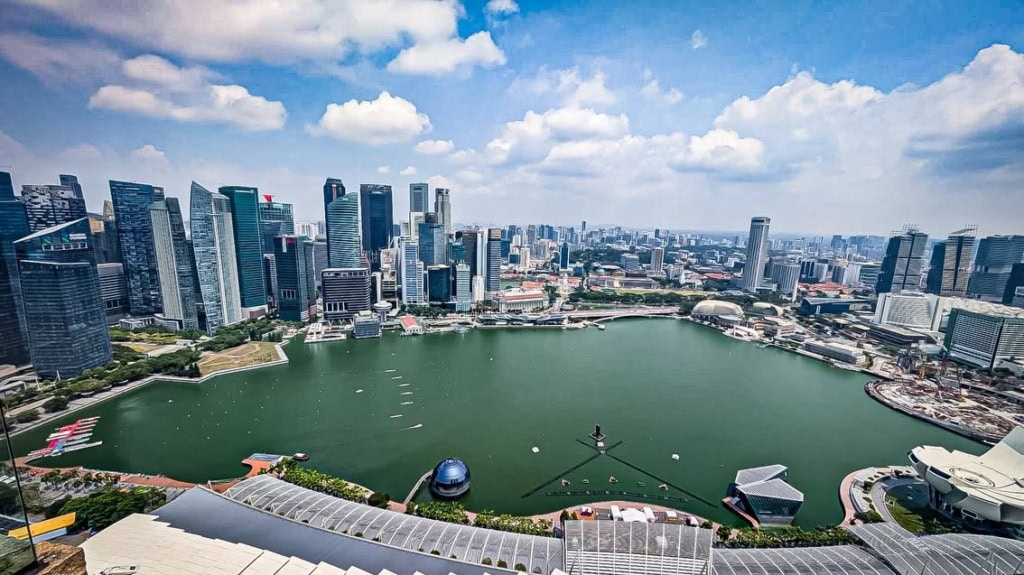
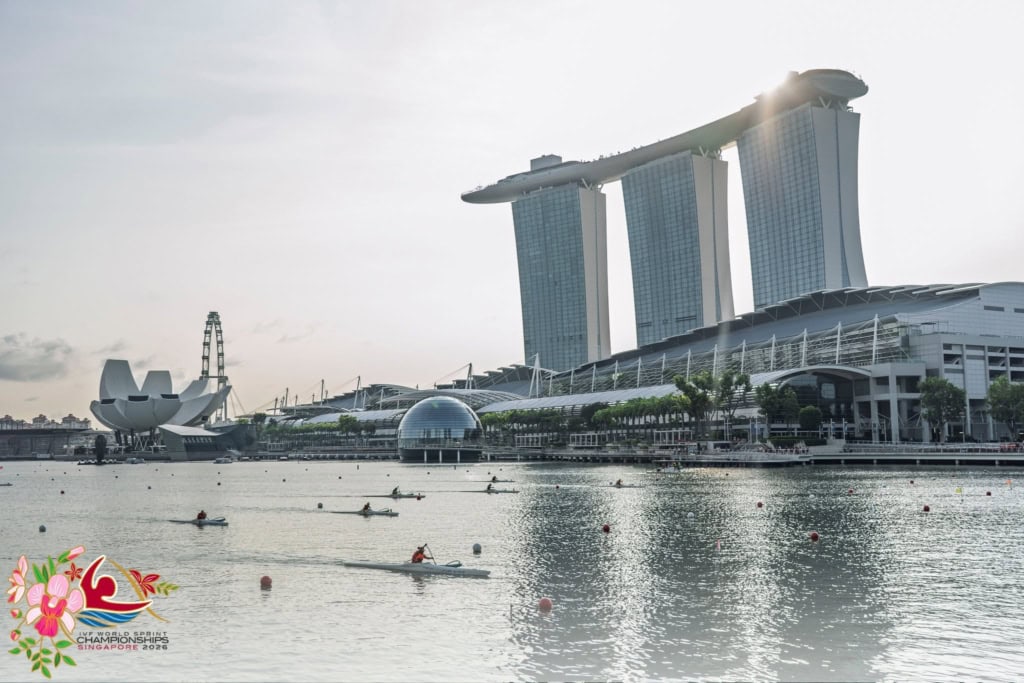
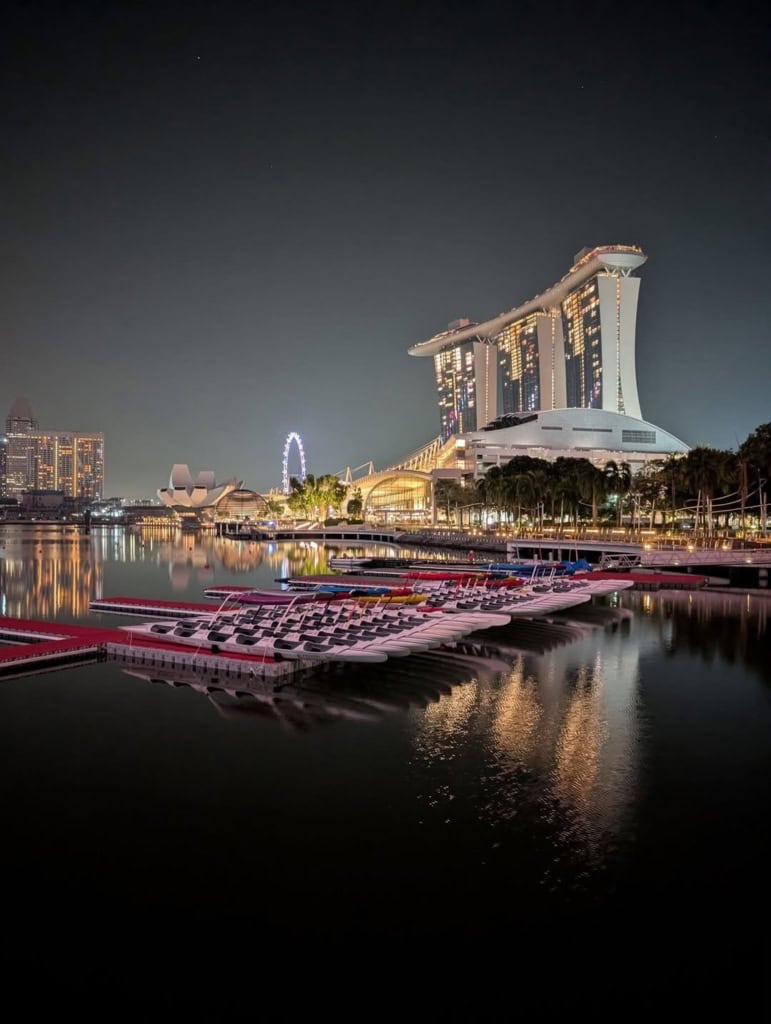
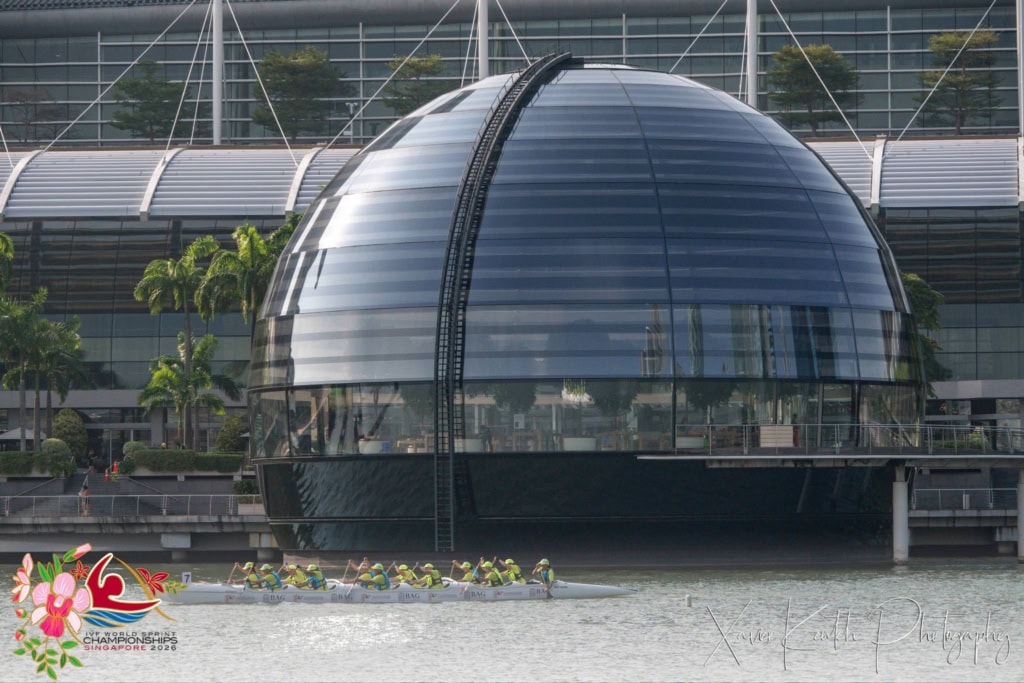
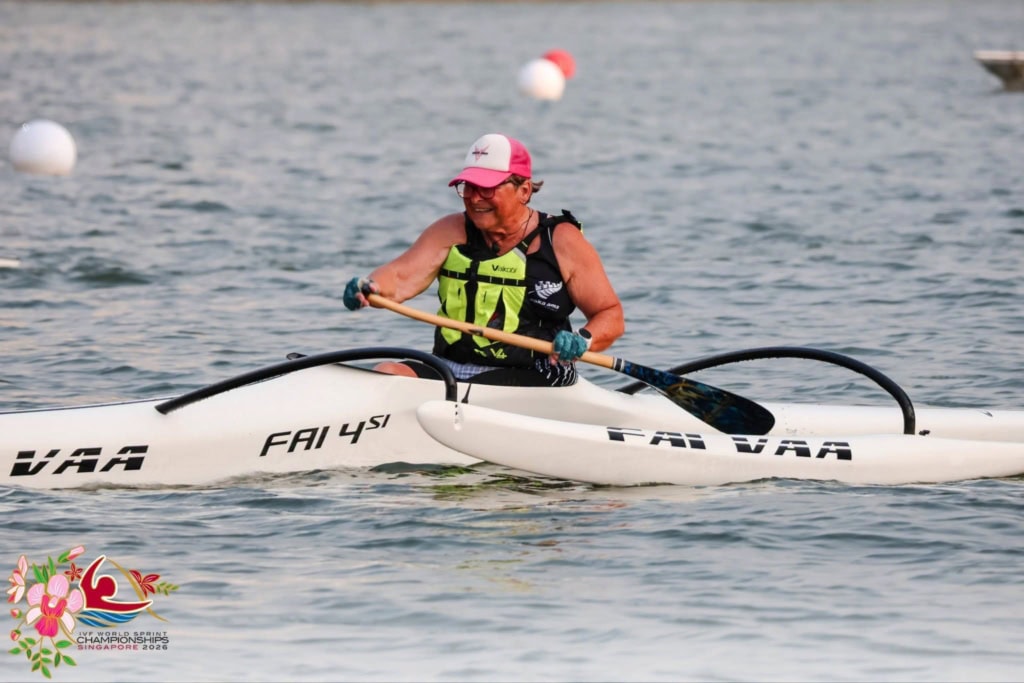
I don’t think I’ve ever raced anywhere like it. We were surrounded by tall buildings — the Apple store floating on the water, Louis Vuitton, the Art and Science Museum, and the Marina Bay Sands hotel looming over the whole course. It was spectacular, but those buildings funnel the wind in all directions, and it made for some genuinely tricky conditions. My V1 final was raced in a stiff, shifting wind that kept me working the whole way, and it was one of the tougher paddles I’ve done in a long time.
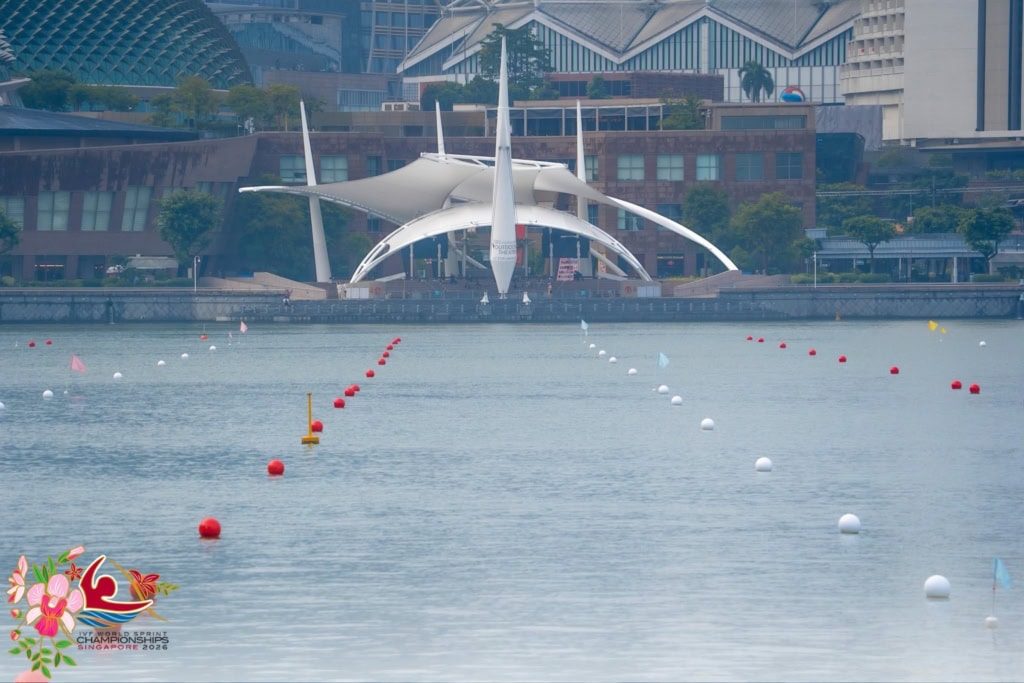
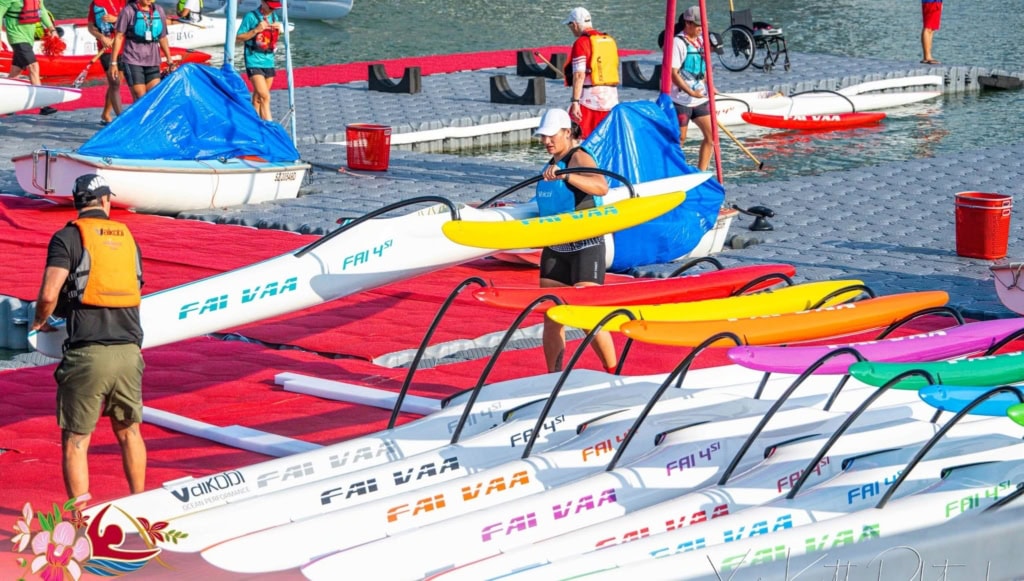
What I will say is that the organisers had the course itself sorted beautifully. The lanes were laid out with real precision — a big step up from Hilo, Hawaii two years ago — right down to using different coloured buoys to mark the inside and outside of our turning lanes. Whatever the wind was doing, we always knew exactly where we needed to be.
How it went
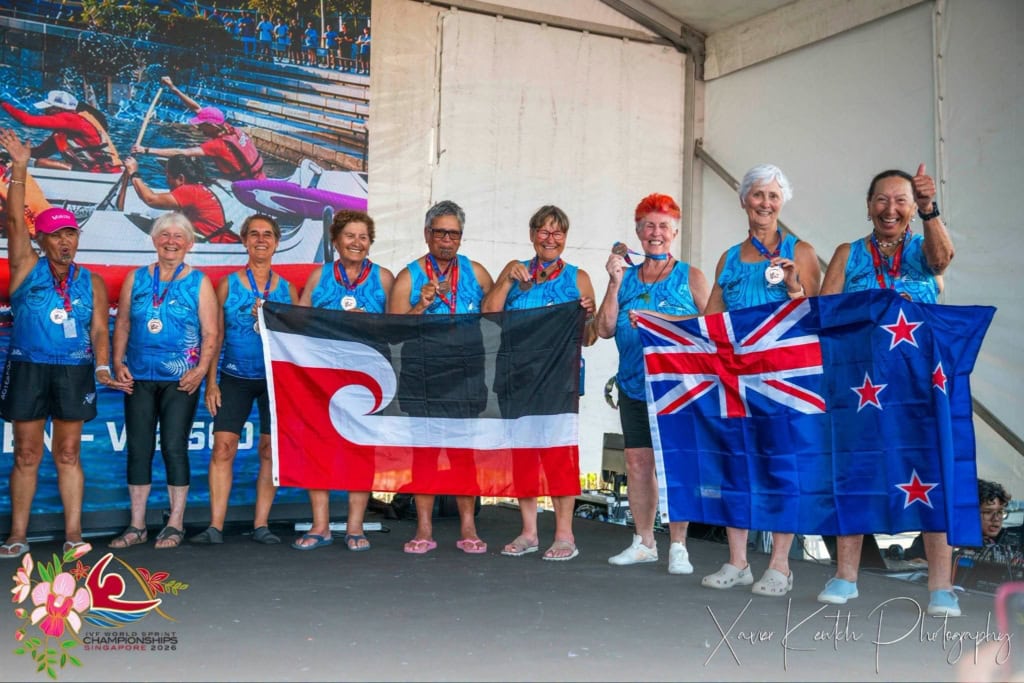
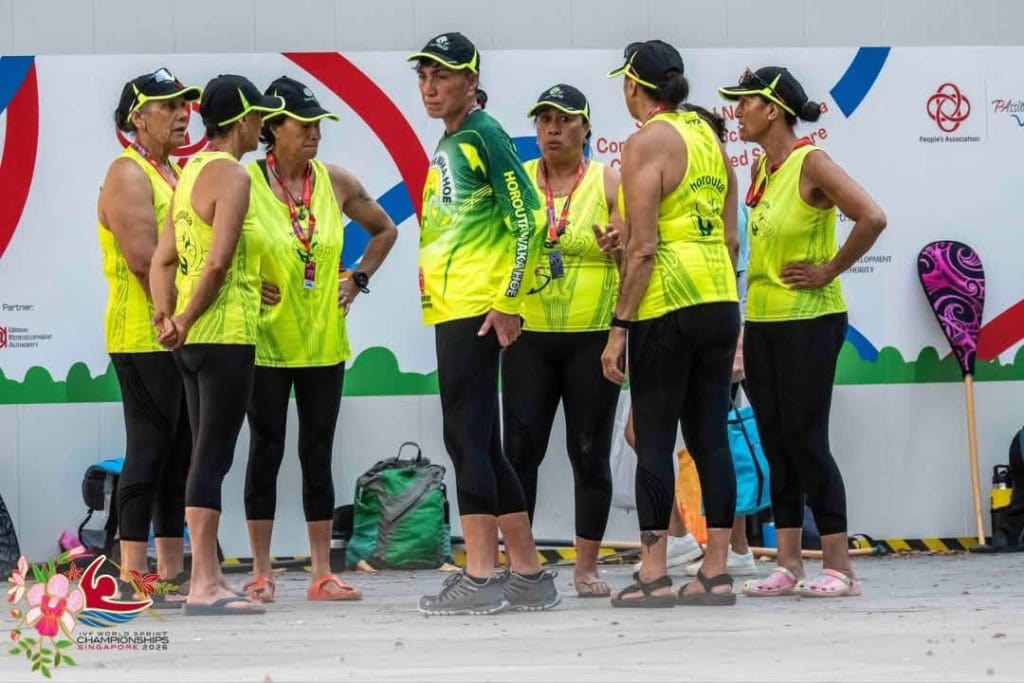
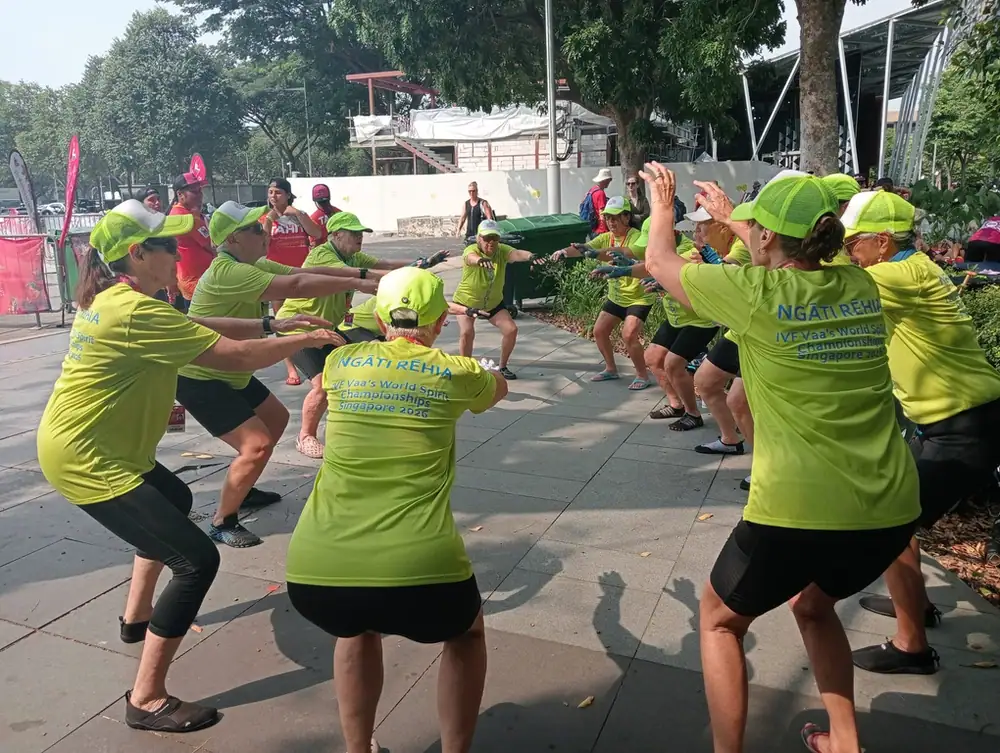
Racing across several categories for 10 consecutive days, I came away with: 6th in the Masters Women 75 V1 singles final, paddling for Aotearoa New Zealand — and first Kiwi over the line in that race. Bronze in the Masters Women 75 W12 final, paddling for Aratika Water Sports — my first ever Worlds medal. 7th in the final of the Masters Women 70 W12 final, paddling for Ngāti Rēhīa. 5th in the Masters Women 75 W6 500m straight and turns finals, paddling for Hawaikinui Tuarua
That bronze still hasn’t quite sunk in. After all the years of racing at this level, there’s nothing quite like standing on that podium for the first time.
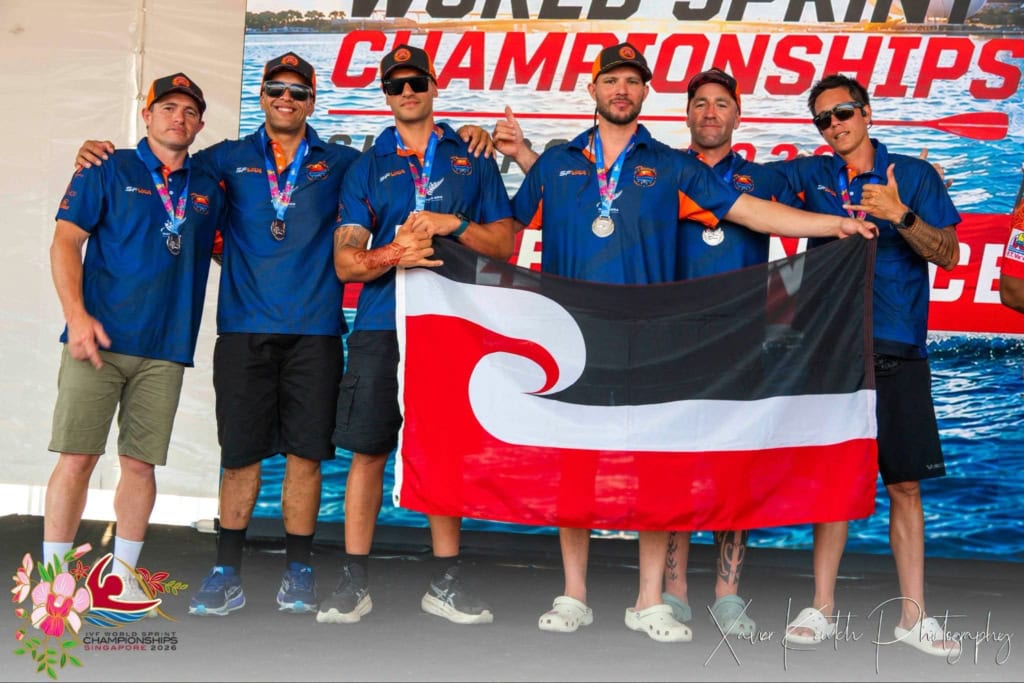
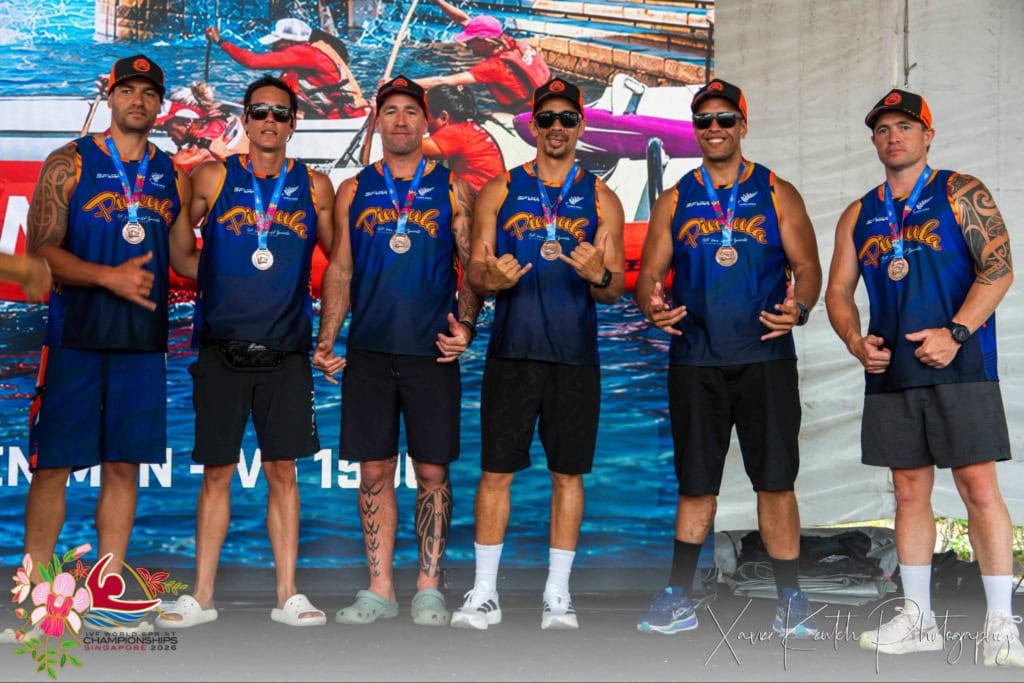
Callum Sebalalla-O’Leary: A big shout out to Callum, paddling for Team Pineula, had a superb regatta — silver in the W6 500m straight and bronze in the 1500m turns in Open Mens category.
Tracey Kingi: Fellow Te Tai o Aorere paddler Tracey Kingi, racing Masters Women 60 for Horouta, also had a solid campaign, making 7th in the final of the Masters Women 60 W12 final. Into the Repechage in the W6 1000m turns and the semi-final in the W6 500m.
VO2: The VO2 Masters Men 50 crew (Sean, Seb, Craig, Jace, Steve, Phil) made the semis in the W6 turns race and went all the way through to the final of the W6 500m straight and came 7th.
Anisha Huntley: Anisha, our paddler from Waikawa, raced for Taranaki and made the semis in both the W6 1000m turns and the W6 500m straight.
The moment that got everyone
The standout for the whole Te Tauihu group was watching the Open Men’s final battle it out, glued to the big screen back at the paddlers’ village. The finish was razor close (3 hundredths of a second), and the crowd around us just erupted. Two Kiwi crews on the podium in the Open Men’s final is genuinely rare as Tahiti are so dominant in that class. Team Pineula (with Callum), Auckland, took silver and Pure OCC, from Ruamata Waka Ama, took bronze. Watching that with a village full of paddlers from every corner of the Pacific, all going off at once, is one of those moments I won’t forget.
Everyone put in a huge effort to get to Singapore and race well once we were there. A special mention to Callum, who was part of that Open Men’s crew from up north (Team Pineula). It’s very unusual for a South Island paddler to be picked into a northern crew, especially an Open Mens crew, and he did us proud!
Worth noting too: in the Masters Men 50 straight final, there were two Aotearoa New Zealand crews, and both of them were from the South Island. Also very, very unusual.
Beyond the racing
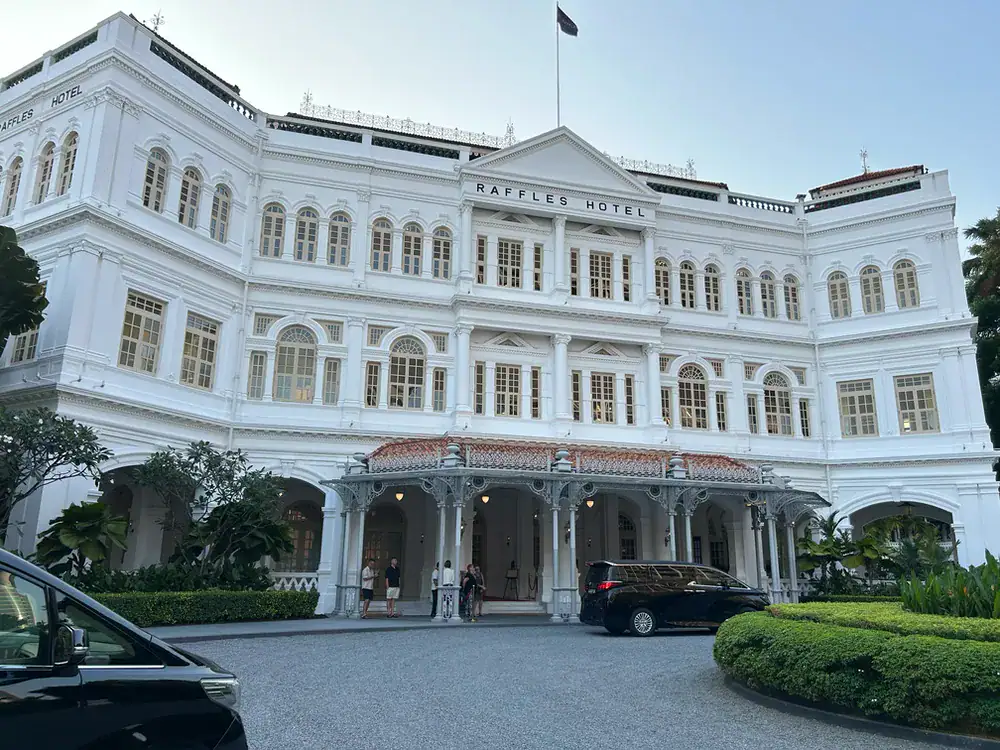
Singapore itself was a lot to take in. The architecture, the MRT (rapid transport sytem), the food — all genuinely amazing. The sheer scale of the consumerism was a bit daunting at times, and I’ll admit I properly freaked out going up to the viewing platform at the top of Marina Bay Sands. My teammates talked me through it, which says a lot about the group we had over there.
Competing at this level comes with real stress, and I think it’s worth saying plainly: we came home from that campaign still all speaking to each other. That matters more than it sounds.
Talking with other nations was a real eye-opener too. The Canadians identify athletes around four years out from a world competition and build their whole programme around that runway. The Hawaiians train in conditions we can only dream of — meanwhile we were out on the water at -1°C over winter. Competition, even in our age divisions, was fierce.
Highlights of my trip
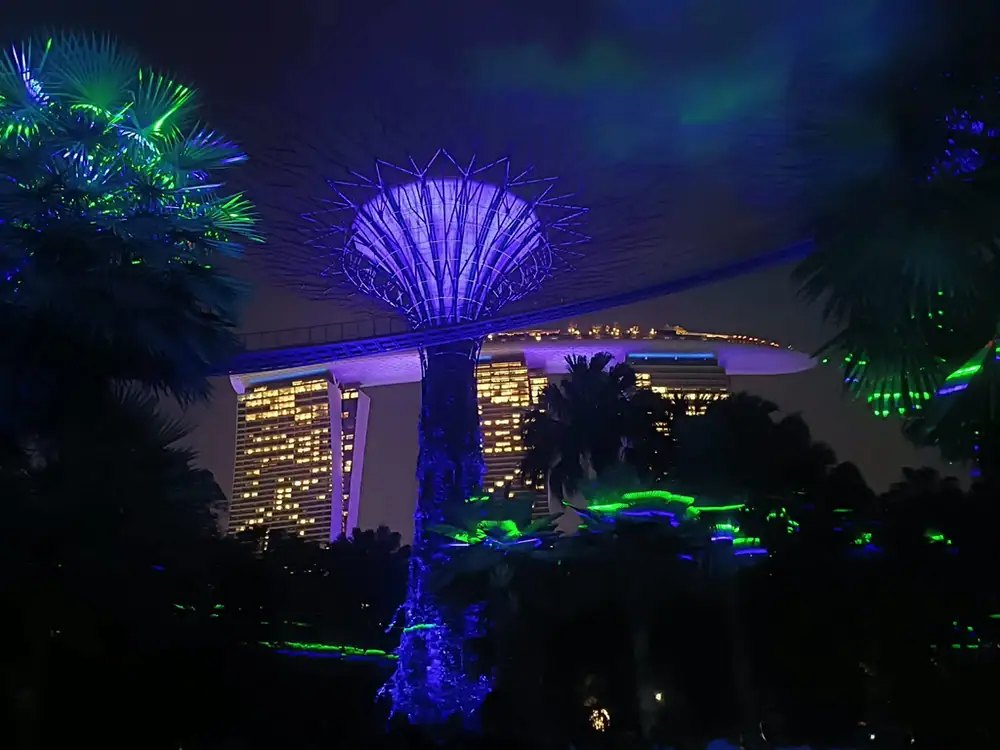
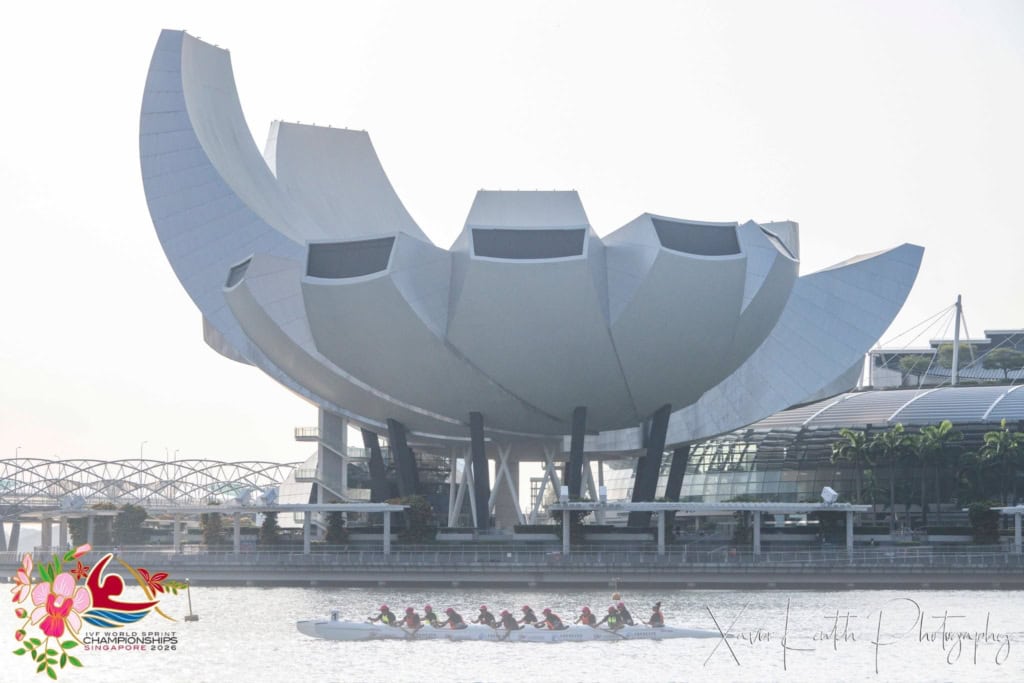
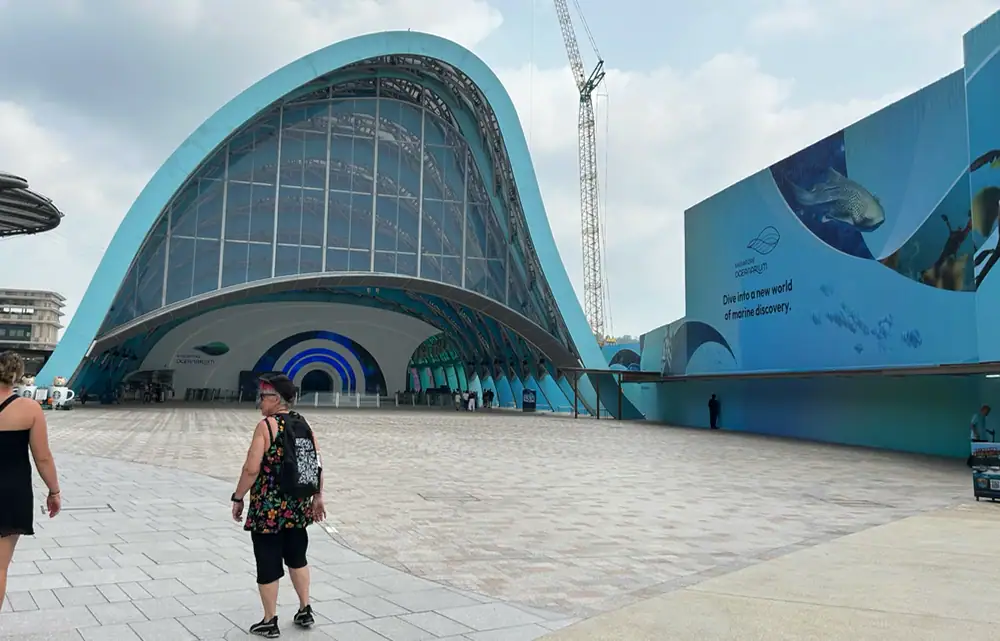
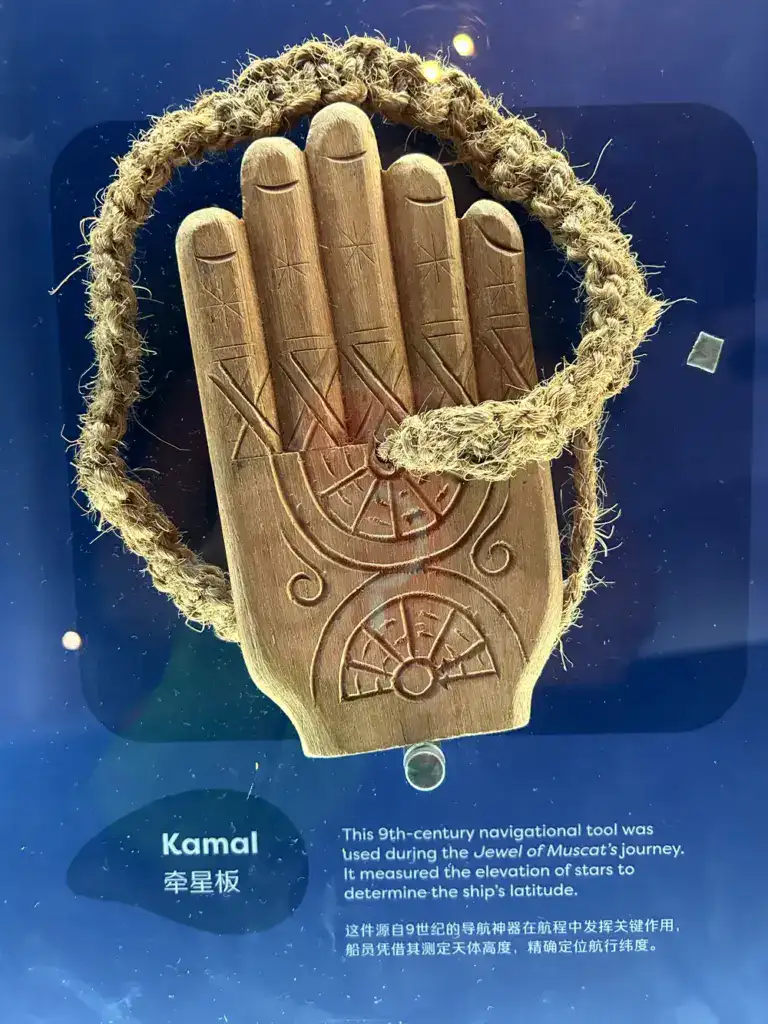
What I’m taking away
If there’s one thing I can’t stress enough, it’s the importance of strength training in the lead-up to a campaign like this. A coach once told me it’s 20% technique and 80% strength, and I really felt the truth of that in Singapore.
There’s word the next World Sprints won’t be until 2030, and quite possibly at Lake Karāpiro — which would mean racing at home. I’ll be 80 by then, into a new age division, and I now know exactly what I need to do to get ready.
It takes a village…
Ngā mihi nui to everyone who supported us — training partners, coaches, whānau, our clubs and the wider paddling community. It means a lot to represent Te Tauihu and Aotearoa on a stage like that. We could hear you all cheering and that made such a difference. I hear someone sat herself in front of the TV for 10 days with the race schedule on a clipboard marking off races!
If you want more background on the lead-up to Singapore, there’s an earlier post on our club website, “Singapore World Champs are close“, and I’ve written more about my own journey to get there on Go Minimal.
Ngā mihi nui, Jan